Escarus works to transform the sustainability approach successfully implemented by TSKB since the early 2000s into a culture, while ensuring that this accumulated know-how contributes to the sustainable development in Türkiye’s economy. Escarus operates as a specialized consultancy firm that aspires to offer optimal solutions for clients’ needs through collaboration with leading subject- matter experts and companies.
Having successfully implemented numerous national and international projects for international organizations, government agencies, private sector entities and civil society organizations, Escarus is proud to make a difference by formulating solutions tailored to the specific needs of each sector, sub-sector, area and entity – always shaped by specific needs, adapted accordingly, and redesigned when necessary to respond to changing requirements.
companies

Responsible® Program Phase 1 Consultancy
The Responsible® Program, launched by the Ministry of Trade of the Republic of Türkiye, aims to support exporting companies in their European Green Deal alignment processes and strengthen their integration into global value chains. The program seeks to elevate the sustainability performance of companies operating in Türkiye to international standards.
Within the scope of this strategic program, Escarus has been authorized by the Ministry of Trade as an accredited Phase 1 consultancy provider, offering consultancy services to companies for assessing their Environmental, Social and Governance (ESG) maturity levels and guiding their strategic development processes.
Under Responsible® Program Phase 1, services include conducting current situation analyses, evaluating companies’ ESG maturity levels, and developing roadmaps to enhance alignment with the European Green Deal. Through this process, the existing capabilities of companies are analyzed and improvement areas that can provide international competitive advantage are identified.
The roadmaps and project cards meticulously developed during Phase 1 form the foundation for the Phase 2 implementation and investment processes, which are supported by the financial incentives of the Ministry of Trade. The inclusion of Phase 2 activities, designed as a continuation of Phase 1, within the support scheme provides companies with a strategic opportunity to complete their sustainability-driven transformation journey end-to-end.
In 2025, Escarus has provided Phase 1 consultancy services to numerous organizations across different sectors, and continues to deliver consultancy services for new projects.
Sustainability Advisory and Integrated Reporting
Escarus provided comprehensive sustainability advisory and reporting services to SASA Polyester Sanayi A.Ş., one of Türkiye’s leading industrial companies, as part of its 2024 sustainability program. The engagement covered both existing operations and new facilities under investment, adopting a holistic approach to sustainability management.
The scope of work focused on strengthening the sustainability management system, ensuring alignment with national and international reporting standards, managing ESG rating processes, assessing the financial impacts of climate risks, and establishing the infrastructure for compliance with carbon regulations. The project was implemented as a broad and integrated transformation program, spanning sustainability reporting, climate strategy, rating applications, and carbon mechanisms.
Actions and outcomes:
- A Sustainability Report (GRI Standards – Comprehensive option), Executive Summary, and quarterly Progress Reports were prepared, and the GRI assurance process was successfully completed.
- The CMB (Capital Markets Board of Türkiye) Sustainability Principles Compliance Report and the UN Global Compact (UNGC) Communication on Progress (CoP) were prepared and submitted to the relevant platforms.
- CDP Climate Change and Water Security disclosures were completed; data analysis, gap analysis, and benchmarking studies were conducted, and action plans were developed to improve scores.
- Gap analyses were carried out for Sustainalytics, Refinitiv, and EcoVadis ESG rating processes; policy and documentation infrastructure were strengthened, and application processes were coordinated.
- The TCFD Report, covering all SASA operations, was updated; climate-related physical and transition risks, scenario analyses, metrics, and targets were established, and integration with enterprise risk management was supported.
- Financial impact analyses were conducted under the Carbon Border Adjustment Mechanism (CBAM) and the EU/Türkiye Emissions Trading Systems (ETS), assessing cost implications under different carbon pricing scenarios.
- A Sustainable Supply Chain Management Implementation Program was developed, including benchmarking studies, action plans, training programs, and documentation infrastructure.
- Preparatory work for alignment with IFRS Sustainability Standards was carried out, including a gap analysis and roadmap development.
- Strategic guidance was provided to the Sustainability Committee and working groups; support was also delivered in engagements with ESG rating agencies, financial institutions, and other stakeholders.
Through this comprehensive engagement, the objective was to strengthen SASA’s sustainability management infrastructure, enhance its positioning in international reporting and rating processes, and increase its resilience against climate-related financial risks.

Sustainability Management System
In preparation for its forthcoming public offering, SOCAR launched a “Sustainability Management System” project to align the operations of its headquarters and specific subsidiaries (PETKIM, PETLIM, STAR Refinery) with sustainability principles and to restructure its corporate governance accordingly. Escarus formulated strategies and policies for the company to adopt a new sustainability model considering the United Nations Sustainable Development Goals (SDGs), sustainability risks, and global sustainability trends.
Actions and outcomes:
- A sustainability strategy was formulated, and a governance framework built for SOCAR Türkiye.
- A centralized data collection system and a comprehensive sustainability management framework was developed with a holistic approach.
- Training programs were developed to raise sustainability awareness among employees and enhance departmental capacities.
- SDG analysis and mapping were completed.
- A system was established to centrally coordinate sustainability-related activities at SOCAR Türkiye and its subsidiaries, as well as to facilitate data flow with key performance indicators (KPIs).

Sustainability Consultancy Project
The IC Holding Sustainability Consulting Project, carried out by Escarus, was structured with two components: the Sustainability Management System (SMS) and the Sustainability Report. Within the scope of the Gap Analysis study, IC Holding’s current strategies and activities were evaluated in accordance with global best practices and sustainability standards, and areas for improvement were identified by analyzing future targets from a sustainability perspective.
In line with the results of the Gap Analysis study and taking IC Holding’s goals and priorities into consideration, sustainability-related policy documents that can be shared with the public were created. At the same stage, recommendations regarding the governance structure were presented to define sustainability governance and responsibilities within the organization. In the ensuing process, documentation was prepared under the umbrella of the management system to integrate the sustainability approach into business processes and handle it systematically. Placing importance on training processes to contribute to the development of corporate capacity and the faster adoption of processes, Escarus organized awareness-raising trainings for IC Holding employees to internalize the sustainability approach, as well as informative trainings on the structure and functioning of the system.
In the next step of the project, a Sustainability Report was prepared in compliance with the GRI (Global Reporting Initiative) standards, presenting a detailed evaluation of IC Holding’s sustainability performance and its environmental, social, and governance activities.
BIST Sustainability Index Strategy Consultancy
Escarus provided advisory services to HEKTAŞ Ticaret Türk A.Ş. in preparation for the Borsa İstanbul (BIST) Sustainability Index assessment process. Within the scope of the project, system entries were carried out in line with the Refinitiv methodology to evaluate HEKTAŞ’s sustainability performance, and action plans were developed to analyze and improve the current score.
The engagement aimed to ensure the effective management of HEKTAŞ’s assessment process for inclusion in the BIST Sustainability Index, enhance data quality, and enable transparent reporting of sustainability performance.
Actions and outcomes:
- Responses to assessment questions were prepared in collaboration with the HEKTAŞ Project Team responsible for reporting on the Refinitiv platform.
- System entries were completed via the Refinitiv Contributor Tool, taking into account the relevant quarter for HEKTAŞ’s index inclusion.
- Based on the current state analysis, data sets aligned with the BIST Sustainability Index methodology were developed, and regular system entries were maintained.
- Guidance was provided regarding the data entered into the system, and the submission process was coordinated.
- Quarterly Progress and Status Reports were prepared to assess score development and identify areas for improvement.
- Action recommendations were developed to strengthen the current score.

OYAK Group Companies Climate Risk Management
In the project implemented by Escarus for OYAK Group Companies, studies were carried out to accurately assess climate-related risks and opportunities, the transition to a low-carbon economy, and the challenges faced during this transition, and to integrate these into the group’s strategies. The overall objective was to formulate roadmaps to comprehensively address climate change risks and optimally manage risks and opportunities for the OYAK Group Companies. The project outputs would serve as the cornerstone of sustainability activities, enrich corporate risk management endeavors, and inform strategic decisionmaking processes in the short-, medium-, and long-term.
Actions and outcomes:
- Escarus collaborated with 18 companies in OYAK Group across diverse sectors (mining-metallurgy, agriculture-food, energy, cement-concrete-paper, automotivelogistics, and chemicals) in Türkiye, Austria, Portugal, and Romania.
- Seventy OYAK employees received Task Force on Climate-Related Financial Disclosures (TCFD) training.
- Various model recommendations were offered to facilitate efficient management of climate risks in OYAK Group Companies.
Global Sustainability Strategy Development Project
The overall objective was to consolidate Şişecam’s sustainability actions under a unified reporting framework, formulate a long-term (8-year) sustainability strategy and set specific objectives.
Actions and outcomes:
- Şişecam’s Sustainability Strategy 2022-2030 was developed building on the pillars of “Protecting the Planet, Empowering Communities, and Transforming Lives” with a cross-cutting theme of “Continuous Improvement”.
- A total of 31 sustainability objectives were set, including specific actions identified for each objective.
- Employees from 11 facilities in Türkiye and 10 facilities abroad participated in strategy development meetings. One-on-one interviews were held with the members of Sisecam’s Executive Committee.
- Three promotional videos were produced on climate change, circular production, and gender equality in the context of Sustainability Report.
- An interactive audio version of Sustainability Report was produced in addition to the regular report.

Otokoç – Sustainability Strategy and Training Consulting Project
Within the scope of the Sustainability Strategy and Training Consulting project, through the gap analysis study conducted by Escarus, Otokoç’s current level in terms of sustainability practices was determined, measures to eliminate the difference between the current situation and the targeted situation were identified, and the strategic framework was established.
The study for determining sustainability priorities was carried out to identify the expectations and priority areas of internal and external stakeholders regarding economic, environmental, and social issues in order to provide input for Otokoç’s sustainability strategy and roadmaps study. As a result of the study, priority areas were determined by obtaining the opinions of stakeholders in light of the important issues in the field of sustainability. Within the scope of the sectoral analysis and gap analysis studies, a sustainability-focused sector analysis was conducted based on national and international sustainability standards. Best practices in the sector were examined, and action plans were developed regarding the areas open to improvement that emerged within the scope of the gap analysis. Within the scope of the sustainability strategy, the infrastructure of the sustainability strategy/discourse was established by Otokoç, roles and responsibilities regarding sustainability governance within Otokoç were defined, recommendations regarding the measurement of targets were created, and efforts for preparing KPIs (Key Performance Indicators) and the monitoring plan were carried out. The final step of the project, sustainability training, was held with the participation of Otokoç’s mid-level managers and senior management.
TSRS Reporting
The Sustainability Report of Siemens, disclosing the company’s 2024 sustainability performance in conformity with Türkiye Sustainability Reporting Standards (TSRS) S1 & S2 and GRI standards, was prepared by Escarus by assessing Siemens’ existing data and forming a framework in line with reporting requirements.
Actions and outcomes:
- Data collection was conducted in conformity with TSRS S1 & S2 and GRI criteria.
- Interviews were held with Siemens’ officers; the existing governance structure, strategy, policies, and risk management processes relating to sustainability and climate change were reviewed, and the findings were included in the report.
- Sustainability- and climate-related metrics were specified, and their conformity with TSRS S1 & S2 and GRI standards was assessed.
- The draft organization of the report and the GRI index were prepared, where data analyses, governance processes and performance indicators formed the core elements of the report.
- At the final stage, the editorial work of the report was finished, Turkish and English versions were drafted, and the visual design were completed.
Responsible Supply Chain Management Advisory
Escarus provided consultancy services to Tiryaki Agro to develop a Group-level Responsible Supply Chain Management Implementation Program covering all subsidiaries and operations of the company. Within this framework, global sustainability developments and stakeholder expectations were analyzed, and a holistic management system aligned with the institution’s procurement dynamics and centered on environmental and social criteria was designed.
Actions and outcomes:
- During a stakeholder meeting with the participation of customers, suppliers, and company employees, local and global sustainability developments were evaluated, and key improvement areas were identified.
- The institution’s existing procurement and sales dynamics were analyzed from a responsible supply chain perspective, and areas for operational improvement as well as strategic focus points were identified.
- To support responsible supply management, action plans, supplier–customer surveys, information forms, and sustainability awareness training materials for suppliers were developed.
- Responsible Supply Policy and Responsible Supply Chain Management Procedure documents to be implemented at the group level were prepared, and training sessions were delivered to relevant personnel to support the implementation of the updated documentation.

KOTON Gender Equality In Supply Chain Project
Escarus cooperated with French Development Agency (AFD) and Industrial Development Bank of Turkey (TSKB) for the project.
The main aim of the project was to promote gender equality practices throughout the supply chain of Koton (Turkish fast-moving clothing brand) and evaluation of suppliers and certification for their gender equality efforts.
The study also aimed to improve data collection and achieve the workplace gender equality. Escarus guided the companies in Koton’s supply chain to a point where people are able to access the same resources and opportunities regardless of gender.
At the end of the project, the companies in the supply chain understood how to remove the barriers for the full and equal participation of women employees in the workforce. Due to their overall gender equality score, Escarus provided them a globally valid certification.

Sustainability Management System
Daikin Türkiye embarked on the Sustainability Management System (SMS) project in 2020, and included SMS in its corporate governance objectives in 2021. As part of the project, Daikin Türkiye’s key sustainability focus areas were identified, and work was undertaken to measure, assess, and improve its performance in these areas. A governance framework was established to monitor, enhance, and report on sustainability across the company.
Actions and outcomes:
- The company’s Sustainability Policy was formulated.
- A sustainability governance structure was established, and a management system was developed.
- Objectives for the sustainable supply chain were set, and new supplier selection criteria were established.
- The company’s material topics were identified based on stakeholder feedback, aligning with the selected focus areas pertinent to the HVAC sector.
Life Cycle Assessment and Environmental Product Declaration (EPD) Advisory
Escarus provided consultancy services to Sarbak Metal for conducting Life Cycle Assessment (LCA) studies and managing the Environmental Product Declaration (EPD) certification processes for three different products. In accordance with ISO 14025 and ISO 14040/44 standards, the environmental impacts of the Products -from raw material sourcing to the factory gate- were analyzed using scientific methodologies based on the cradle-to-gate approach.
Actions and outcomes:
- Data related to the products’ life cycle stages -including energy, water, and raw material consumption, emissions, and waste management- were scientifically modeled using OpenLCA software and internationally recognized databases.
- In full compliance with the relevant Product Category Rules (PCR) for the defined product categories, a detailed EPD Background Report and the official EPD document were prepared.
- Methodological consistency was ensured throughout all stages of the study in accordance with ISO 14040/44 Life Cycle Assessment standards.
- Technical support was provided during the independent verification process and the registration of the documents on the International EPD System platform.

Sustainability Management System
The “Sustainability Management System” project was carried out by Escarus in order to ensure the integration of sustainability practices within QNB Finansbank, to transform this into a business model, and to examine sustainability performance across operational procedures. An environmental and social risk model was developed to examine the Bank’s lending operations, conduct environmental and social risk assessments for financed projects, and implement responsible investment practices.
Actions and outcomes:
- Data flows were identified for the Bank’s environmental and social key performance indicators.
- An evaluation was conducted, and recommendations were offered for the Bank’s potential participation in national and international initiatives and associations that would increase its visibility and facilitate its active involvement in sustainability endeavors.
- The organizational chart was examined to produce recommendations outlining the necessary governance structure, procedures, roles, and responsibilities for sustainability practices.
- In line with the Bank’s corporate strategy and the international standards, a robust methodology was developed for environmental and social risk assessment in lending processes.
Environmental and Social Due Diligence Advisory
Under the project-based Framework Agreement carried out with Türkiye Vakıflar Bankası T.A.O. since 2020, Escarus supports the Bank in strengthening its environmental and social due diligence and risk assessment capacity for investment loan applications above a certain threshold. Projects financed within the scope of World Bank loans are reviewed simultaneously with the Bank in line with its internal Environmental and Social Risk Assessment Tool, with the aim of ensuring consistent risk classification, enhancing decision-making processes, and increasing alignment with international good practices.
Actions and outcomes:
- Investment loan application files are reviewed in parallel with the Bank through a simultaneous assessment approach.
- Environmental and social risks are identified for projects and clients, and risk classification is conducted accordingly.
- The need for site visits is determined based on the risk category and the stage of project development.
- A project-specific Environmental and Social Due Diligence Form and Environmental and Social Action Plan are prepared.
- Where necessary, site visits are conducted to observe operations on-site, verify environmental and social practices, and assess occupational health and safety conditions.
- A Project Due Diligence Report, including findings, potential risks, and recommended actions, is prepared and shared with the Bank.
- Through the simultaneous assessment process, contributions are made to strengthening the Bank’s institutional capacity in environmental and social risk management.

BIST Sustainability Index Strategy Consultancy
Anadolu Hayat Emeklilik collaborated with Escarus to support its goal of being included in the BIST Sustainability Index, an index comprising companies traded on Borsa Istanbul recognized for their strong corporate sustainability practices. As a result of the comprehensive consultancy process, Anadolu Hayat Emeklilik became the first company from the insurance and pension sector to be accepted in the BIST Sustainability Index.
Actions and outcomes:
- For the company, entries were meticulously recorded in the Refinitiv Contributor Tool for BIST evaluation. Informative periodic reports were drafted to detail the company’s scoring performance within the index framework, and recommendations were made to enhance the score.
- A BIST Sustainability Index Gap Analysis was conducted against international sustainability criteria, and a roadmap was prepared to address the areas for improvement.
- A comparative analysis was performed between the company’s public disclosures across various platforms and the BIST Assessment Methodology.
Assistance to the Transition of the Industrial Sector to Carbon-Free Economy
Implemented collaboratively by DEIK (Foreign Economic Relations Board) and Escarus, the project aimed to facilitate the transition of the industrial sector to a carbon-free economy with a focus on raising awareness and building capacity regarding the European Green Deal (EGD). The project involved comprehensive desk studies on the objectives, impacts, and relevant regulatory frameworks of the EGD, focusing on export-oriented companies and industrial organizations.
Outputs:
- A “Corpus” containing documents related to the EGD
- A “Calendar” outlining the steps to be taken by the EU
- A “Checklist” for industrial companies to evaluate the measures they need to take
- A “List of Recommendations for Industrial and National Strategy” reflecting the opinions of the sector
- A “Governance Model Recommendation Package” for business umbrella organizations and companies to manage the process effectively
Used Garments Collection and Recycling Project
Implemented by Escarus for the Turkish Red Crescent, this project aimed to identify gaps and design feasible solutions to ensure the sustainable management of used garments.
Actions and outcomes:
- A comprehensive analysis was conducted to assess the current state of sustainable management practices for used garments both in Türkiye and globally.
- Gaps and areas for improvement were identified at each stage of used garments management, including collection, sorting, recycling, and recovery.
- Numerous one-on-one interviews were conducted with a wide range of stakeholders, complemented by field visits.
- Practical recommendations were presented to the Turkish Red Crescent along with the necessary conditions for effectively implementing such recommendations.
- Various economic and financial scenarios were developed to facilitate the effective management of used garments.
Sustainability in the Banking Sector: Sectoral Outlook Report
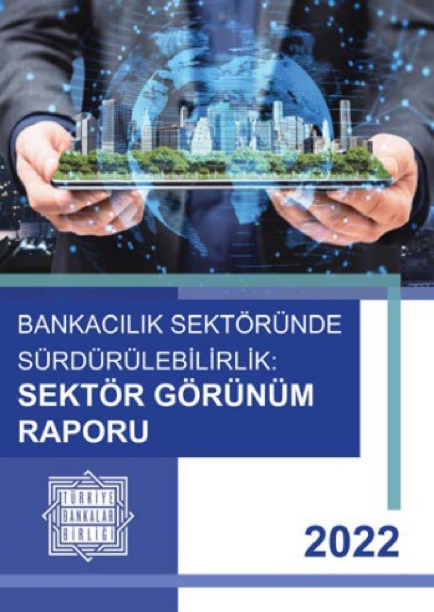
A comprehensive sectoral outlook report on sustainability was prepared by Escarus for the Banks Association of Türkiye (TBB). This comprehensive work focused on sustainability practices in, and cast light on the future of, the Turkish banking sector.
Actions and outcomes:
- A survey was conducted to examine the sustainability practices of member banks operating in the Turkish banking sector.
- Based on the survey results, the report provided insights into sustainability-oriented trends and developments in the finance and banking sector.
- Aligned with globally observed sustainability themes, the report elaborated on the current practices and future objectives of the Turkish banking sector.
- The report underscored the pivotal role of the finance and banking sector in facilitating transition to a low-carbon economy and achieving successful green transformation through investments aligned with the Sustainable Development Goals (SDGs). It also outlined the sector’s responsibility in preventing the use of financial resources for activities that may harm the environment, climate, and society. Furthermore, the report highlighted collaborative endeavors aimed at deepening sustainability practices.
Turkey Ministry of Development – Sustainable Development Goals (SDG) Project
Escarus was the lead and only consultant in the project that supports Ministry of Devlopment (MoD) on SDGs implementation and monitoring based on the findings regarding the current situation and gaps considering Agenda 2030 and its Sustainable Development Goals that would be prioritized in the next (11th) National Development Plan.
Escarus developed SDGs reports which summarize the current situation and gaps based on previous development plans, priorities, needs, and resources availability. During the project Escarus;
- Reflected on national targets and indicators around prioritized local SDGs targets and indicators.
- Provided detailed technical advice on SDGs,
- Support the public authorities in consultations on SDGs,
- Technical reviewing considering the action plan and facts that took place in all SDG reports.
In the project Escarus outlined the current situation of Turkey in terms of;
- Policies and strategies,
- Relevant legislation,
- Institutional framework.
Escarus conducted many qualitative and quantitative analysis considering;
- Document and inventory surveys based on desktop review,
- Roundtable meetings, one-to-one interviews, stakeholder questionnaires,
- Review of legal framework in line with SDGs,
- SDG interlinkages.
Project outputs provided input for the 11th Development Plan of Turkey.
Ecological Living Space Feasibility Project
Escarus delivered consultancy services in this project implemented by Gaziantep Metropolitan Municipality with support from the Ipekyolu Development Agency (a regional agency in Türkiye) to define rehabilitation steps for transforming a selected neighborhood into an ecological living space model, and examined the technical and financial aspects of investments needed for implementation.
Actions and outcomes:
- Work included field studies, interviews with local people, analyses and examination of existing infrastructure, transport, energy and natural resource use, socio-cultural activities, as well as the neighborhood’s physical, geographic, and demographic state.
- Desk research, feasibility studies and gap analysis were conducted.
- A holistic approach was developed to outline the overall framework for the ecological living space.
- Technical and financial aspects of requisite investments were studied, and findings were modelled under three distinct scenarios.
Developing Strategic Investment Plans for Göksu-Taşeli Watershed
In cooperation with the United Nations Development Programme (UNDP) and the Ministry of Agriculture and Forestry of Türkiye, Escarus developed Strategic Development Plans under the Göksu-Taseli Watershed Development Project.
Actions and outcomes:
- A deep-dive analysis from a perspective of regional development was conducted of value chains, both upstream and downstream, for strawberry, cherry, grape, mushroom, and medical aromatic in the provinces of Konya and Karaman.
- A comprehensive analysis was conducted of private sector entities engaged in farming these products.
- The challenges faced by farmers and local farmers’ associations in the region were identified.
- Strategic investment plans were formulated for each product in the value chain, including post-harvest food safety, storage, drying, grading/ sorting, packaging, certification, labeling, and branding etc.
- In addition, projects proposed under the investment plans were assessed in detail from a financial perspective.

Phase 1: Preparation of Türkiye’s National Energy Efficiency 2030 Vision, Strategy and 2nd National Energy Efficiency Action Plan (NEEAP) (2024-2030)
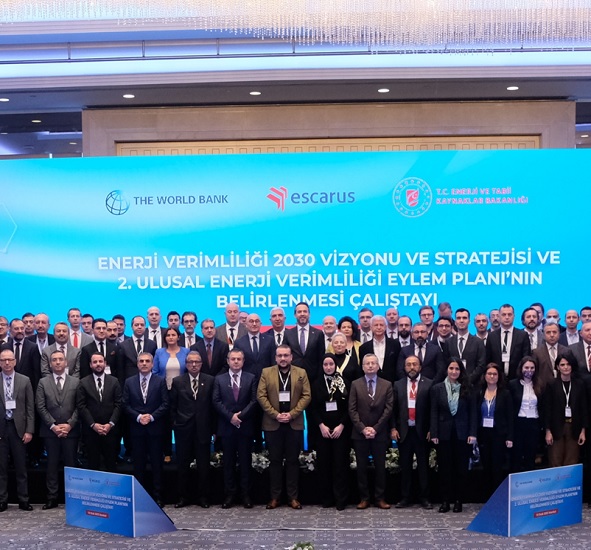
Under the project titled “Consultancy Services for the Preparation of Türkiye’s Energy Efficiency 2030 Vision, Strategy and 2nd National Energy Efficiency Action Plan (NEEAP) (2024-2030) – Phase 1”, funded by the World Bank, with the Ministry of Energy and Natural Resources (MENR) as the beneficiary, Escarus undertook a facilitation role.
In this project, consultation processes were carried out with relevant stakeholders, including public institutions, the private sector, and civil society organizations. National and international legislation and policies related to the current state of energy efficiency were reviewed, and data collection and analysis were conducted. In addition, efforts to support the preparation of the Second NEEAP were completed, and assistance was provided to MENR, contributing to achieving the overall objective of the project.
Actions and outcomes:
- A total of 9 workshops were conducted across 6 different provinces in Türkiye, addressing diverse sectors including startups, agriculture, transportation, energy management and financing, municipal services, heating and cooling, buildings, the supply side, and industry.
- With the participation of over 1,000 participants in total, these workshops served as a platform to bridge among stakeholders, enabling both the presentation of progress of the first NEEAP and the collection of insights from various actors involved in energy efficiency.
- The views grounded in stakeholders’ experience and expertise in energy efficiency were collected, analyzed, and reported.
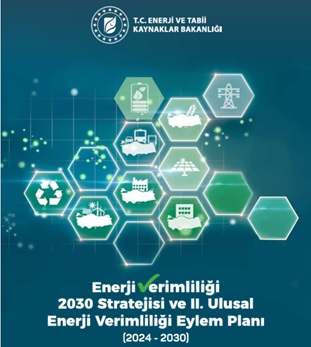
Phase 2: Preparation of Türkiye’s National Energy Efficiency 2030 Vision, Strategy and 2nd National Energy Efficiency Action Plan (NEEAP) (2024-2030)
Under the project titled “Consultancy Services for the Preparation of Türkiye’s Energy Efficiency 2030 Vision, Strategy and 2nd National Energy Efficiency Action Plan (NEEAP) (2024-2030) – Phase 2”, funded by the World Bank, with the Ministry of Energy and Natural Resources (MENR) as the beneficiary, a consortium was formed under the leadership of Escarus in partnership with Escon and MRC.
The consortium provided technical support to MoENR on various fronts, including facilitating consultation processes with relevant stakeholders, consolidating technical data, assessing the feasibility of proposed activities, and developing projections for 2030 for quantifiable actions.
Consortium Leader: Escarus
Consortium Members: ESCON Enerji & MRC Türkiye
Actions and outcomes:
- The proposals for actions and activities collected during Phase 1, along with those outlined in the 1st NEEAP, were consolidated and evaluated individually.
- To finalize the 2nd NEEAP, a three-day workshop was held, bringing together bureaucrats and technocrats representing various public agencies.
- Future projections for different scenarios were developed utilizing energy efficiency and investment modeling, encompassing a wide range of sectors and areas.
- Based on the review of the existing studies conducted by MENR, as well as national and international legislation and policies related to energy efficiency, the 2nd Energy Efficiency Strategy Document and the 2nd National Energy Efficiency Action Plan covering the 2024–2030 period were prepared.

Scoping Study – EBRD Project – Energy Audits In Public Buildings
The main aim of the project was to conduct a feasibility study within the framework of EBRD’s investment program for increasing energy efficiency and the seismic resistance of the existing education buildings of the Turkey Ministry of National Education (MoNE).
Project tasks was conducted under 4 components
- Energy audits and seismic resilience surveys in selected schools (pilot study)
- Investment proposals and financial analyses
- Projection of results from pilot studies throughout the building stock of MoNE
- Economical analysis of investment programme by calculating financial and non-financial benefits
Energy audits and seismic resilience surveys were carried out by Escarus in 8 school buildings specifically selected to represent the MoNE’s building portfolio. Energy efficiency measures and structural retrofitting schemes were proposed considering the energy performances and deficiencies of the audited buildings.
Potential investment opportunities were proposed for MoNE’s building stock that might be covered under EBRD’s investment program using the findings of the field studies.
Both financial and non-financial potential benefits coming from energy efficiency and seismic retrofitting investments were also assessed, in terms of energy savings, CO2 emission savings, better student/teacher comfort, improved health conditions, protection from injury against any possible earthquake.
Energy Efficiency in Public Buildings Project: Consulting Services for Strengthening the Technical Capacities of ESCOs, Energy Auditing Firms and MENR’s Trainers
Under the project funded by the World Bank and whose beneficiary was the Ministry of Energy and Natural Resources (MENR), consultancy services in the field of energy efficiency were provided by a consortium led by Escarus. The trainings organized within the scope of the project aimed to enhance the technical capacities of MENR representatives, and energy service companies (ESCOs) and energy auditing firms. In addition, the project aimed to update the existing training materials of MENR and strengthen the capacity of its training center.
Consortium Leader: Escarus
Consortium Members: ESCON Enerji (Türkiye), S317 Consulting (Portugal), FIRE (Italian Federation For Energy Efficiency)
Actions and outcomes:
- Trainings covering energy efficiency audits, energy management, and measurement and evaluation techniques were delivered to more than 300 public officials and energy professionals.
- In addition to theoretical sessions, practical field experiences related to energy efficiency practices were also shared. The training courses enhanced the technical capabilities of MENR personnel, ESCOs and energy efficiency consultancy companies.
- Activities were conducted to improve the training centers.
- The heat pump training unit of MENR and the existing training materials were reviewed and updated.
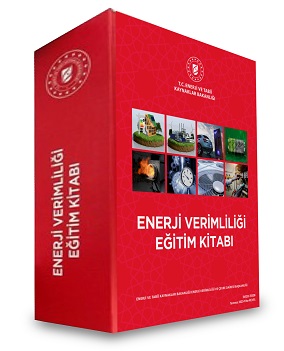
- As part of efforts to renew the existing training materials of the public agencies, a comprehensive and up-to-date Energy Efficiency Training Book was developed, and sample questions were prepared for energy manager certification exams.
Strong and Green SMEs Project
The project was developed by Bilkent University and Massachusetts Institute of Technology (MIT), funded by EBRD, and implemented by Escarus. The overall objective was to prepare SMEs for the European Green Deal (EGD) and mitigate potential negative impacts of the Carbon Border Adjustment Mechanism (CBAM) through capacity-building trainings. The project consisted of two main components: market assessment and training programs. Within the project, an assessment report was prepared, including policy and legislative analysis, sectoral overview, and classifications for sectors covered by CBAM, as well as for some sectors anticipated to be impacted by CBAM.
Actions and outcomes:
- 400 SMEs received training on EGD, circular economy, and CBAM.
- Sectoral groups received training on Carbon Reduction, Efficiency Improvement, Product Modification, and Product Upgrading.
- Focused sessions were conducted with the EBRD banking team.
SPIPA II – EU Climate Dialogues: Promoting Sustainable Agricultural Practices in Türkiye
Under the SPIPA II (Support to the EU’s Bilateral Relations with Strategic Partners on Climate-Related Policies and Investment) Program, financed by the European Union (EU) and implemented by GIZ, a comprehensive project was carried out with the Ministry of Agriculture and Forestry of the Republic of Türkiye as the beneficiary. The project aimed to strengthen the resilience of Türkiye’s agricultural sector against climate change while promoting low-carbon development, enhanced climate adaptation capacity, and improved environmental outcomes, including water quality, soil health, and biodiversity.
Actions and outcomes:
- A baseline assessment of low-carbon and climate-resilient agricultural practices across Türkiye was conducted. Through field studies, surveys, and literature reviews, a scientific data collection methodology was developed for the publication titled “Inventory of Sustainable Agricultural Practices in Türkiye.”
- The contribution of agricultural activities to greenhouse gas emissions was evaluated, and technical measures—such as innovative irrigation techniques, water management strategies, and climate-resilient seed and crop varieties—were developed to minimize sectoral risks related to climate change.
- Physical and hybrid workshops were organized with the participation of representatives from the Ministry of Agriculture and Forestry, agricultural cooperatives, academia, and civil society organizations. Through technical concept notes and expert inputs, the project facilitated knowledge exchange and institutional capacity building among stakeholders.
- Guidance documents, technical manuals, and informational brochures were prepared for cooperatives and local actors and made available through digital platforms. Special attention was given throughout the project to encourage the participation of women farmers and to strengthen gender equality in the sector.
- Existing agricultural policies were analyzed in terms of their environmental and social impacts, and inception reports, implementation guidelines, and final project outputs were prepared, including policy improvement recommendations aligned with EU standards and Türkiye’s climate targets.
STWI (Swedish Textile Water Institute) Project – Textile, Energy And Resource Efficiency Project
Sweden Textile Water Initiative (STWI) is a private sector network with a membership of some 30 predominately Swedish textile and leather companies. STWI projects were implemented with the aim of improving water efficiency in production processes for suppliers and sub-suppliers to STWI member Brands in production hubs in Bangladesh, China, India, Ethiopia and Turkey.
The program was structured in four components:
- Capacity building and investment support in textile factories;
- Improving industrial water governance in production countries;
- Harmonization of the STWI guidelines on resource use for the textile sector and influence of international processes; and
- Communication and outreach.
SIWI implemented the program and SIDA (Swedish International Development Cooperation Agency) provided almost all financial funding amounting to 49 million SEK as a Public Private Development Project.
Consultancy services for Turkey was provided by Escarus between the years 2015-2017.
During the project Escarus focused on improving environmental performance capacity of suppliers on sustainable use of water, energy and chemicals in textile and leather production processes by
- Reusing waste and by-products in production,
- Reducing pollution,
- İncreasing management and employee information capacities for wastewater treatment.
Islamic Development Bank – Value Chain Based Country Diagnostic Study for Turkey
The Bank’s new business model is based on the objective of strengthening the competitiveness of member countries in strategic industries to become comparatively advantageous in creating and integrating with value chains. A new development model emphasizing value chain based approach was piloted in Turkey by Escarus.
Throughout the project Escarus tried to find out how Turkey can integrate into global GVCs and adapt to change by global circumstances through investments in key sectors. To understand the formation of GVCs in details, Escarus undertook a comprehensive analysis of the Turkish industry by relying on a huge data set. Since the agreement requires the development of a prioritization methodology based on several criteria by considering natural, dynamic, surplus and spillover potential, several data sources were scrutinized, and analyses were conducted so as to attain internal consistency.
The following indicators capturing various industrial characteristics were estimated/calculated at the firm level to analyze industries with NACE 4-digit classification: TFP growth rate, TFP differences between large and small-sized firms, returns to scale, the share of foreign firms, the share of exporters, number of firms, firm size, relative wages, labour productivity, and capital intensity. The following indicators were used for the industries with NAICS classification: product complexity, revealed comparative advantage, the share in world import, export and concentration, export value, import value, trade balance, and global demand projections.
At the last stage, Escarus team developed five reports in a way to cover both preliminary GVC analysis and the initial mapping of the value chains in the selected sectors.
Measuring the Environmental Impacts of Transport Infrastructures in Organization of Islamic Cooperation (OIC) Member States
Under the project implemented by the Standing Committee for Economic and Commercial Cooperation of the Organization of Islamic Cooperation (COMCEC), Escarus carried out studies to measure the environmental impacts of transport infrastructure in member states of the Organization of Islamic Cooperation (OIC). Focusing on identifying and promoting good practices to assess such impacts, good practices and innovative approaches from both OIC member states and global initiatives were analyzed.
Actions and outcomes:
- Analytical studies were conducted, strategic objectives were defined, and reports were produced.
- Documents were developed to guide the planning and management of an effective and efficient transport system, focusing on the network aspect as one of the six cooperation areas of COMCEC.
- Reference documents were prepared for OIC member states.
- A handbook outlining the necessary steps for OIC member states was also produced.


Environmental and Social Management System
Equity Bank has planned to establish an Environmental and Social Management System (ESMS) to proactively manage environmental and social risks that it assesses as being faced with risks that may cause significant environmental and social impacts in projects supported by the banks’ lending activities. In line with the loan agreement executed with IFC, it was decided to assign Escarus for the establishment of the ESMS.
Actions and outcomes:
- The Bank’s current lending operations were analyzed in accordance with IFC Performance Standards, and updated with a systematic management approach.
- Environmental and social risk management was aligned with the requirements of international financial institutions and funders, as well as national legislation and global standards.
- Credit requests received by the Bank were ensured to comply with the Environmental and Social Policy developed under the ESMS and to the Bank’s credit policies.
- The Environmental and Social Risk Assessment Model was built as a comprehensive risk categorization tool that considered both local regulations and IFC’s Environmental and Social Performance Standards.
QATAR DEVELOPMENT BANK (QDB) – Strategic Advisory Project
The Qatar Development Bank (QDB), operating in Qatar, launched an integrated program called EYADA to accelerate the development of small and medium-sized enterprises (SMEs), which play a vital role in national economies in terms of economic growth, structural transformation and job creation, and to provide outcome-driven consultancy services.
Under the EYADA program, transformation-oriented consultancy support was provided to enterprises experiencing operational and performancerelated challenges. Within this scope, consultancy studies were conducted for Industrial Nations, a producer of bitumen products, and Al Baraa Plastic, a manufacturer of plastic pipes.
Actions and outcomes:
- A comprehensive diagnostic review covering all aspects of the enterprises was conducted.
- An Execution Plan was developed with the aim of operating more effectively and efficiently in the market by improving operational and financial performance.
- The Execution Plan was matched with a set of corrective actions.
- Enterprise performances were monitored in line with the Execution Plan.